About EMspace

Hello, I’m Rob Aymer.

I set up EMspace out of a desire to help, and a belief that I could make a difference — for children and young people in education, for parents who often struggle to get the right support and know what to do, and for schools who are trying to educate and support their pupils. Since 2016, with the help of some amazing practitioners, I’ve worked alongside primary and secondary schools, and EMspace has now relocated to the East Midlands. My aim is simple: to get beneath the behaviour, and support holistic development.

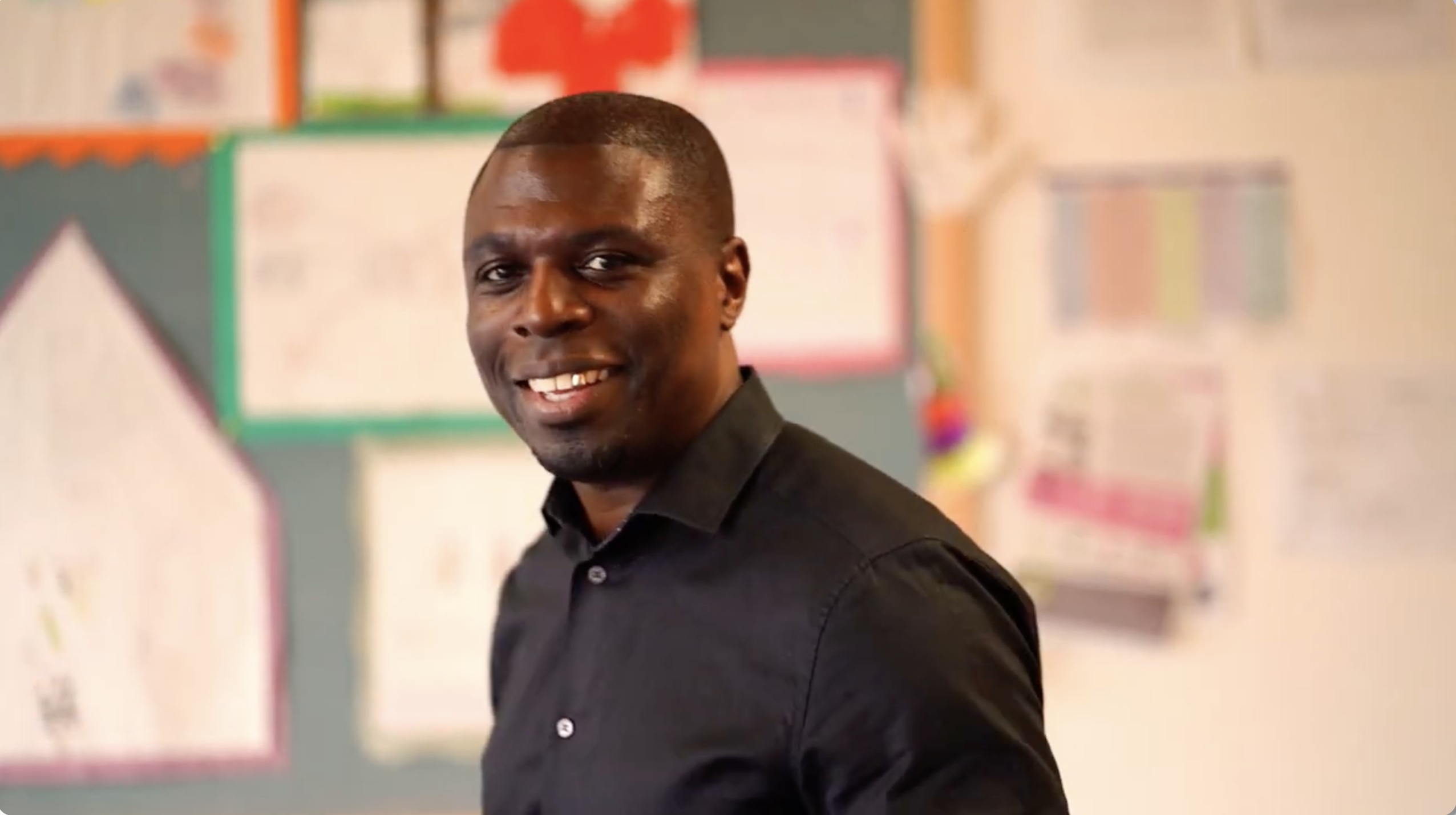
Photo of Rob: a relaxed, well-lit head-and-shoulders shot, looking at the camera
Rob Aymer, founder of EMspace

EMspace has relocated to the East Midlands and is now taking referrals from schools in the region. Not sure whether we cover your area? Get in touch.

Why I do this

The same children, the same patterns

Something is wrong within our system if we can predict, but not prevent, the same children failing and falling foul of the systems we have created. The aim is not to punish, but to help them learn. Conventional child development tells us to expect children to test boundaries; that is a normal and consistent part of growing up. But a breakdown occurs when we lack systems that normalise the behavioural challenges children and teenagers typically present.

Instead, our systems tend to highlight the individuals who struggle to adapt to what we ask of them, filtering them into a bracket we then have few effective ways of helping them out of.

The ideas of Acceptance, Curiosity and Empathy, drawn from Dan Hughes’ P.A.C.E framework,1 help us see that where a behaviour policy is applied and things do improve for a while, that improvement is rarely the result of the policy itself. More often it reflects a child’s own capacity to regulate, or to mask, their needs. For the children who are not yet able to do that, the same pattern returns. Behaviour tells us what a child is doing. It rarely tells us why.

1. These ideas form part of PACE (Playfulness, Acceptance, Curiosity, Empathy), developed by clinical psychologist Dan Hughes as part of Dyadic Developmental Psychotherapy. See Hughes, D. (2017) Building the Bonds of Attachment: Awakening Love in Deeply Traumatized Children (3rd ed.), Rowman & Littlefield; and the DDP Network, the organisation Hughes founded.

Maybe it takes one to know one. That cheekiness that spills over. That trying to be clever, impress others and get the last word, otherwise known as the class clown. Not knowing when to stop until you were outside the head teacher’s office. I’ve always felt that I connected well with children and young people, and vice versa.

Many of the behaviour issues schools face are not deeply ingrained. They are exploratory behaviours, which are addressable through timely interventions and good information sharing between the services providing them. That’s what the EMspace approach is all about.

Many of the children I work with are used to being noticed only when things go wrong.

EMspace exists to change that. We look for what is driving the behaviour, we work with the child, their school and their family together, and we make room to celebrate what the child gets right.
What I believe

Three core ideas that shape all our work

Our approach rests on three focal points of development — all universally recognised concepts.

Relationship

Relationship is the vehicle for consistent communication, which builds respect and outlasts authority.

Communication

Builds community and combats boredom, which contributes to group harmony.

Expression

Addresses a sense of disengagement, uncovers genius, and helps develop every person’s rightful sense of individuality.

Find out more about Relationship, Communication & Expression →

Working with EMspace

What it looks like in practice

Sessions happen in school, one to one, at the child’s pace. There is no fixed script. We use conversation, activities and games, and the practitioner keeps school and family informed along the way.

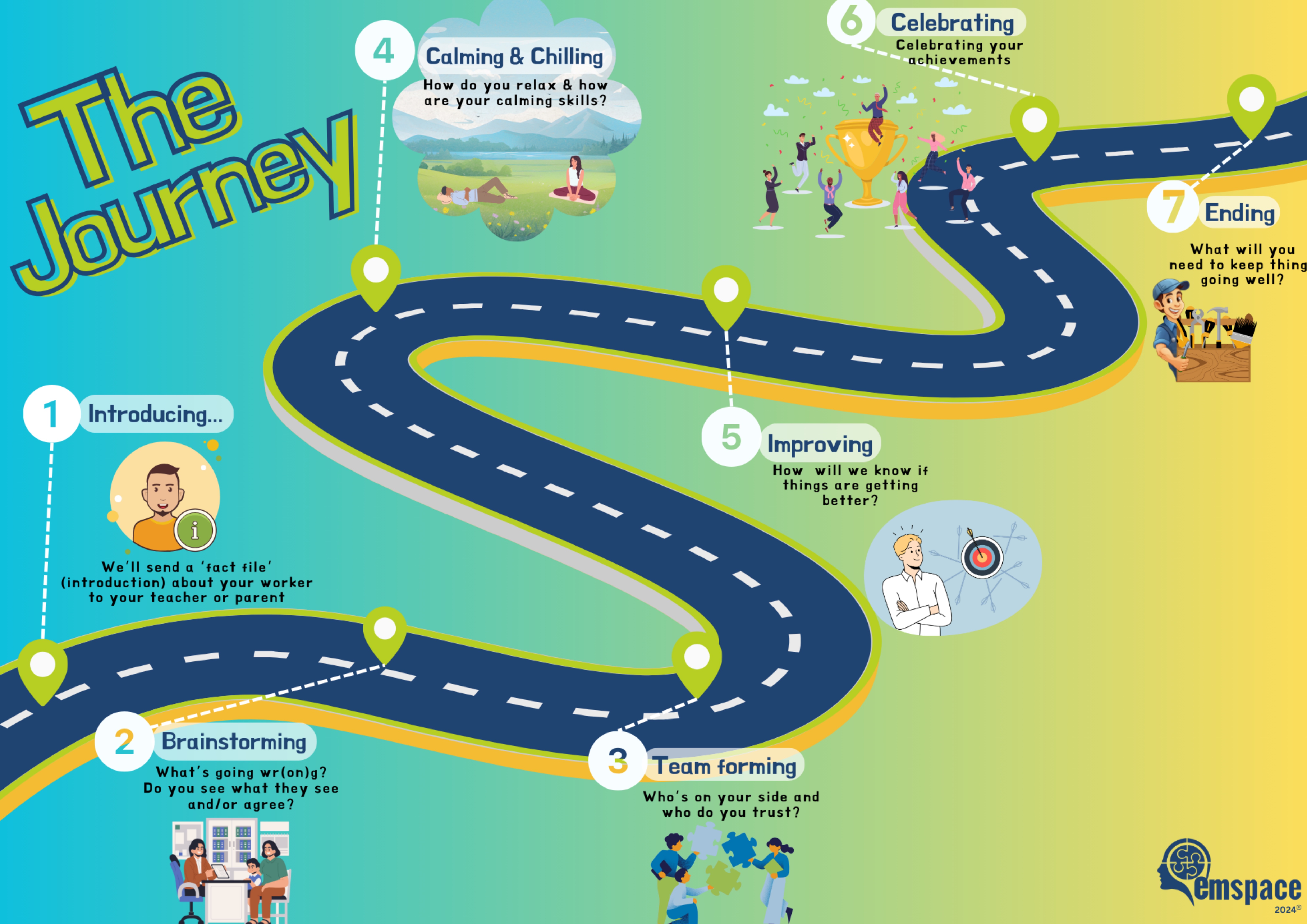
Photo idea: The Journey map or stop cards laid out on a table (no faces needed)
The Journey map laid out on a table ready for a session
The JourneySeven stages, taken at the child’s pace.
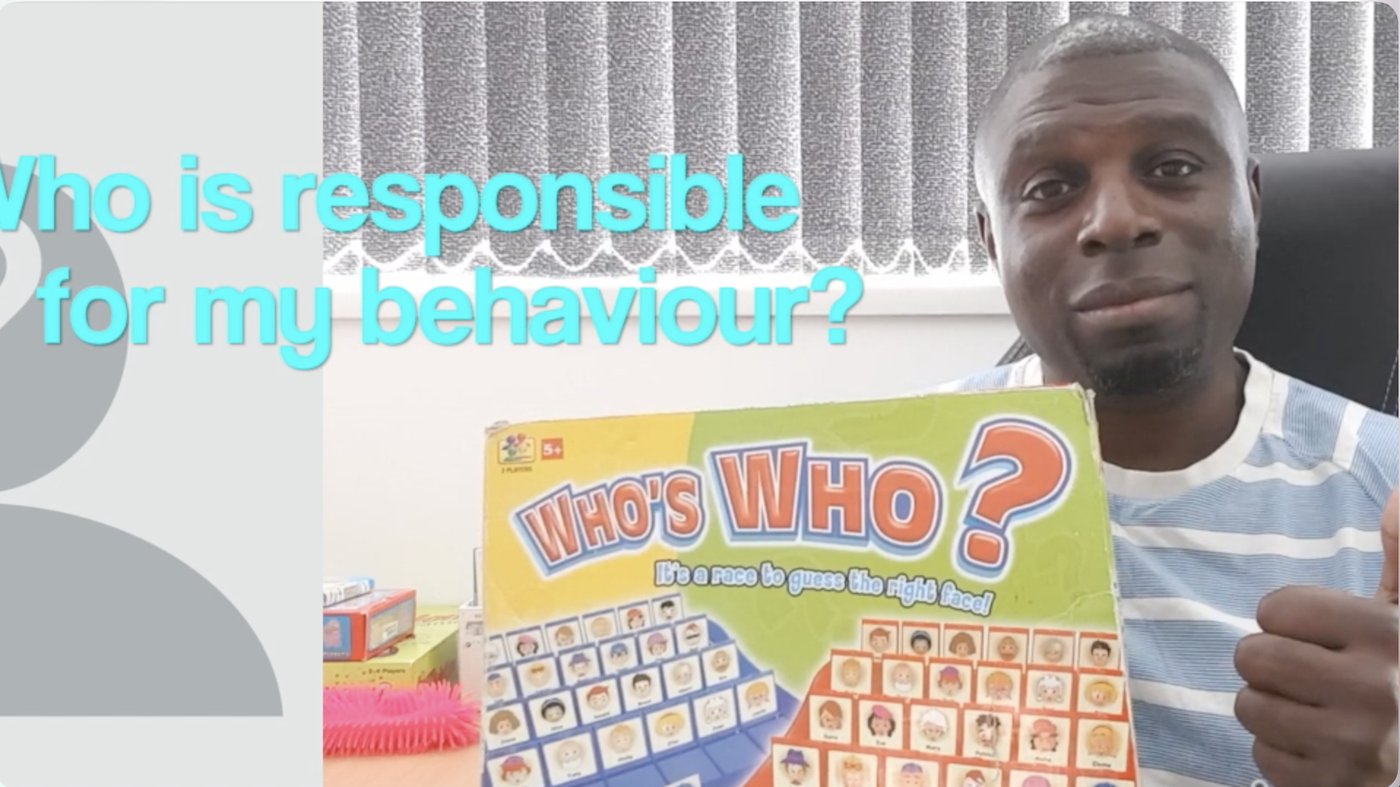
Photo idea: a board game used in sessions, set up mid-game
Rob holding the Who's Who? board game, used as a talking point in sessions
Games with a purpose“Who's Who?” opens up conversations about identity and recognising others.
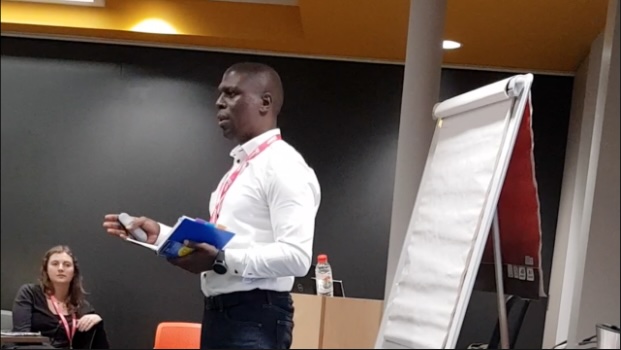
Photo idea: you presenting to staff, or the EMotions Diary on a screen or tablet
Rob presenting to school staff
Working with school staffRegular updates, and a named member of staff briefed at the end.

Background and checks

What you can rely on

EMspace is built on more than 25 years of direct work with children and young people in primary and secondary schools, and on original research carried out with two universities.

Schools rightly want to know who is working with their pupils. My professional background started in residential social work, before moving into family support and then becoming an emotional wellbeing practitioner working with children and young people. This has given me a holistic skill set in working with both children and their families.

I hold an Advanced Diploma in Systemic Thinking and Practice, issued through the University of Derby, and I use this theoretical orientation to work collectively with children, families and schools to support them.

All the staff we supply are trained and suitably qualified.

  • Advanced Diploma in Systemic Thinking and Practice, University of Derby
  • Grounded in the CASEL social and emotional learning framework
  • Research conducted with Birmingham City University and Nottingham Trent University
  • Aligned with Families First, Early Help and the SEND graduated response
  • Non-clinical, relationship-first approach, accessible to all school-based professionals
  • UK GDPR compliant, with secure and responsible data handling
  • Incorporating as a Community Interest Company, with its mission locked to children and young people
  • Enhanced DBS, registered with the DBS Update Service
  • Public liability insurance in place
  • Safeguarding compliant

The team

Who you’ll be working with

EMspace is Rob’s practice, backed by a small team who keep it running and help it grow.

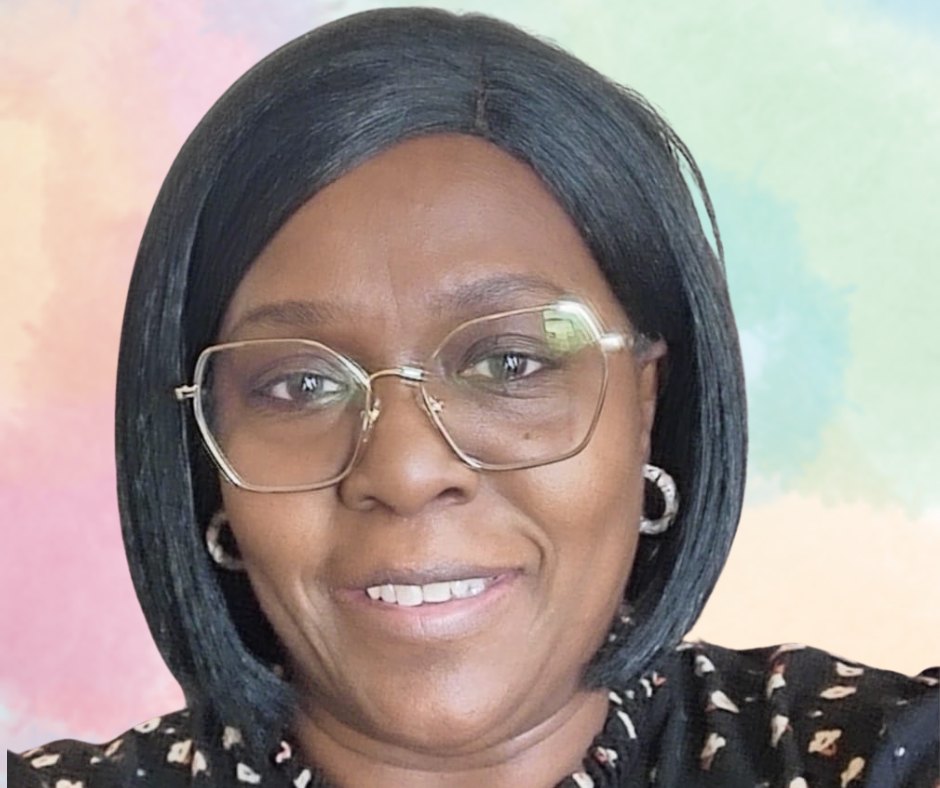
Carol Odeyemi, Business Manager at EMspace
Business Manager

Carol Odeyemi

Carol’s background is in finance and business administration, with an up-to-date and highly successful record in finance and business management. She is experienced working both individually and as part of a team, across the private, public and voluntary sectors.

Carol has worked in the social care sector since 2002, when she joined Lewisham Council as Administrative Support Officer to the Head of a Pupil Referral Unit. She studied AAT Accounting Level 2 at Lambeth College in 2007, then moved in 2009 into a Support Team Manager role within adult social care, first for a charity supporting people with drug and alcohol addiction, and then within a private residential care home.

Carol enjoys being part of a successful, productive team, and thrives in challenging working environments.

Ruth Ovia, Emotional Wellbeing Practitioner at EMspace
Emotional Wellbeing Practitioner

Ruth Ovia

Ruth has worked in emotional wellbeing and mental health support for children and young people for over fifteen years, across schools, NHS services and specialist education settings.

Her background spans SEN inclusion and mentoring, NHS mental health support for young people with complex needs, and leading wellbeing programmes in primary and secondary schools. She has worked closely with inpatient services, community teams, families and statutory agencies, supporting young people through recovery and back into learning.

Ruth brings experience of CBT frameworks, solution-focused approaches, and multi-agency working. She is skilled at building the kind of trusting relationships that help children and young people engage — and stay engaged.

What EMspace is built on

25 years of practice, a West Midlands track record

Rob Aymer has worked directly with children and young people for more than 25 years. Between founding EMspace in 2016 and relocating to the East Midlands, EMspace worked with seven primary and secondary schools in the West Midlands. We are now building new partnerships with schools in Derby, Nottingham and the wider East Midlands.

25+years working directly with children and young people
7schools EMspace worked with in the West Midlands, 2016–2026
12weeks is the average length of a Journey, agreed at the start

“Every pupil who has been referred to EMspace has wanted to attend the regular sessions and has given positive feedback themselves. Both practitioners have worked hard to engage with parents as well, which has been most useful. I would recommend the service.”

Secondary school, West MidlandsWorked with EMspace for eight years

Get in touch

Ready to find out more?

Whether you want to refer a young person, explore the Resource Bank, or just have an initial conversation, we are here. We reply within two working days.

Mentoring referral

Ready to refer a young person? We will respond within two working days.

Email us to refer

Resource Bank

Explore free SEMH and SEL resources, or upgrade to full Investor access.

Visit Resource Bank

General enquiry

Not sure where to start? We are happy to have an initial conversation.

Get in touch